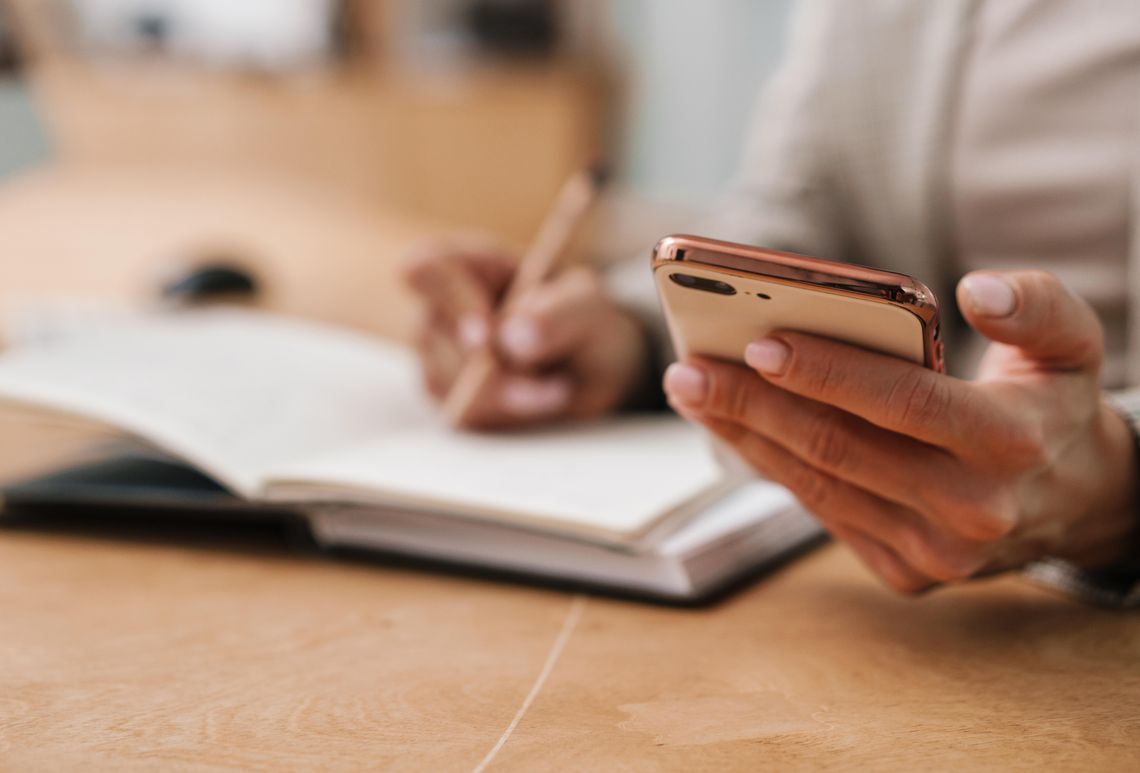
From packed schedules to nonstop responsibilities, people rely on different tools to stay organized and productive. Two of the most popular options for planning are physical planners and digital planners, which often divide decisions. In this edition of “Double Take,” the physical planner position will be explained by Jolee Skinner and the digital planner position will be explained by Cynthia Garcia.
Physical planner position
I think we can all agree that sometimes technology can be exhausting to learn and operate. We often forget things we have planned or have typed. The American Psychology Association has shown that people have shorter attention spans than ever before due to consuming more digital content. Studies from the National Institute of Health show that writing by hand is better than typing because it engages with the brain more deeply — leading to improved memory retention, understanding concepts better and increased creativity. When you write something down in a planner versus typing it in a digital calendar, you are more likely to remember what events you have planned. The pushback against writing in a physical planner is that plans can change and you can’t always rewrite the change. That’s why it's recommended to write in pencil versus ink so you can rewrite the changes that need to be made. Handwriting also slows you down and forces the brain to process information rather than just transcribing. This is called the "encoding effect" and it strengthens retention. Research from the University of Tokyo shows that people who used actual paper planners remembered their tasks and events 25% faster than those who used digital devices. Phones and digital devices can also create distractions, for example receiving notifications from text messages and social media. Writing tasks down can help mental stress, focus on accomplishing goals and reduce cognitive load.