 Jose 'JJ' Balderas
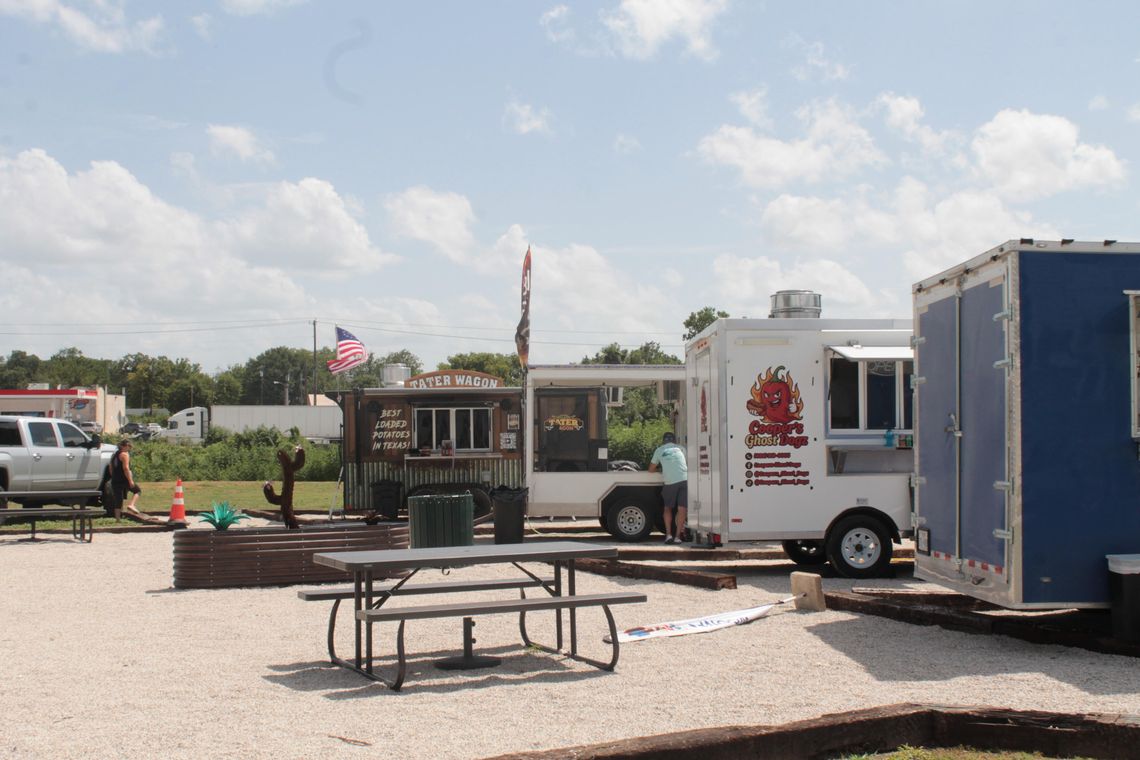
Beginning July 1, food truck vendors can operate across Texas with a license from the Texas Department of State Health Services instead of receiving separate health permits from each local health department.
The change was created through House Bill 2844, with the goal to create one set of health licensing rules for food truck vendors throughout the state and eliminate duplicate fees.
The new system could make it easier for Springtown-area food truck owners to attend events, travel to nearby communities and grow their businesses without paying separate licensing fees each time.
Vendors must submit an application to DSHS and complete an initial inspection before receiving a license. A separate license is required for each food vending vehicle, and licenses expire one year after the vehicle passes its initial inspection.
DSHS now divides vendors into three license categories based on the food they prepare. Type I includes vendors selling items such as prepackaged ice cream or snacks. Type II includes coffee, snow cone and hot dog vendors. Type III includes food trucks that prepare and cook meals such as burgers, barbecue or tacos.
Although food truck owners no longer need separate local health licenses, they must continue to follow local fire, zoning, parking and other safety requirements that do not conflict with state law.
Cities may also require additional guidelines for food trucks operating in public parks and in the community.
Current vendors with a local health permit may continue operating while their state application is processed if they provide proof of their license and keep a printed copy of the application summary inside the food vending vehicle.
To learn more about the change in state law and application process, visit dshs.texas.gov/retail-food-establishments/permits-retail-food-establishments/mobile-food-vendors.